
I've always been fascinated by the collision of literary brilliance and interactive storytelling—it's like watching a master painter try sculpting with fire, or a symphony composer experimenting with silence. Video games, as a medium, have this unique magic that traditional storytelling can't quite replicate, and when acclaimed authors step into this digital arena, the results can be breathtakingly unpredictable. What happens when the architects of elaborate fantasy sagas and haunting horror tales try to craft experiences where players aren't just observers, but participants? Let's dive into eight remarkable authors who left their indelible mark on gaming worlds.
📚 George R.R. Martin: The Lore Weaver of Elden Ring
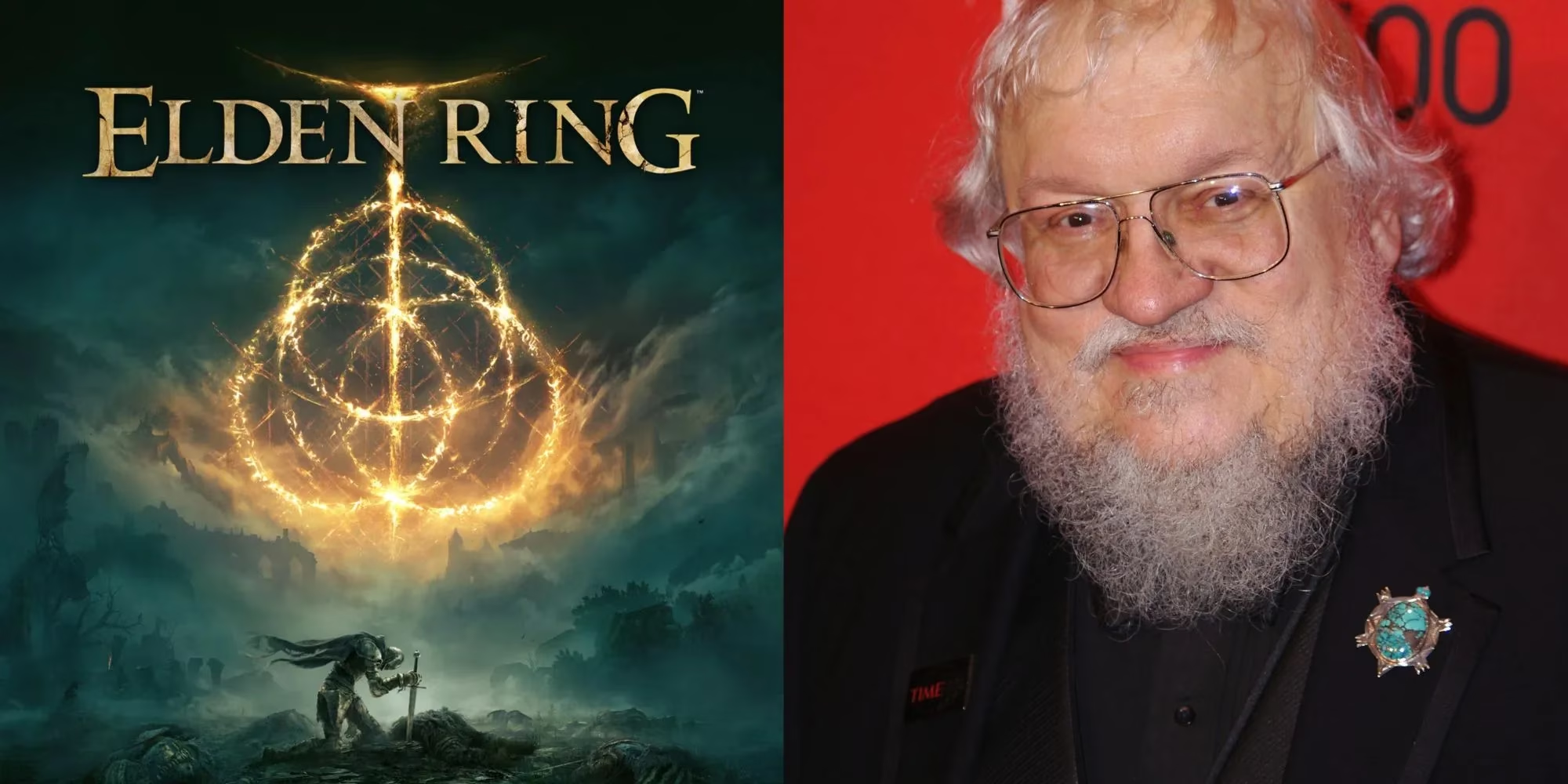
Remember the collective gasp when Elden Ring announced George R.R. Martin's involvement? It was like discovering a secret door in a library that leads to a living, breathing world. Martin, famous for his intricate family trees and historically dense narratives, was tasked with crafting the foundational mythos of the Lands Between. His influence isn't just in the obvious lore snippets—it's woven into the very soil of the game, like fossilized whispers in ancient stone. While Hidetaka Miyazaki directed the gameplay, Martin's world-building provided a rich tapestry of fallen dynasties and forgotten gods, making every ruined castle feel like a chapter from a lost history book.
🚇 Dmitry Glukhovsky: Architect of the Metro's Claustrophobic Soul
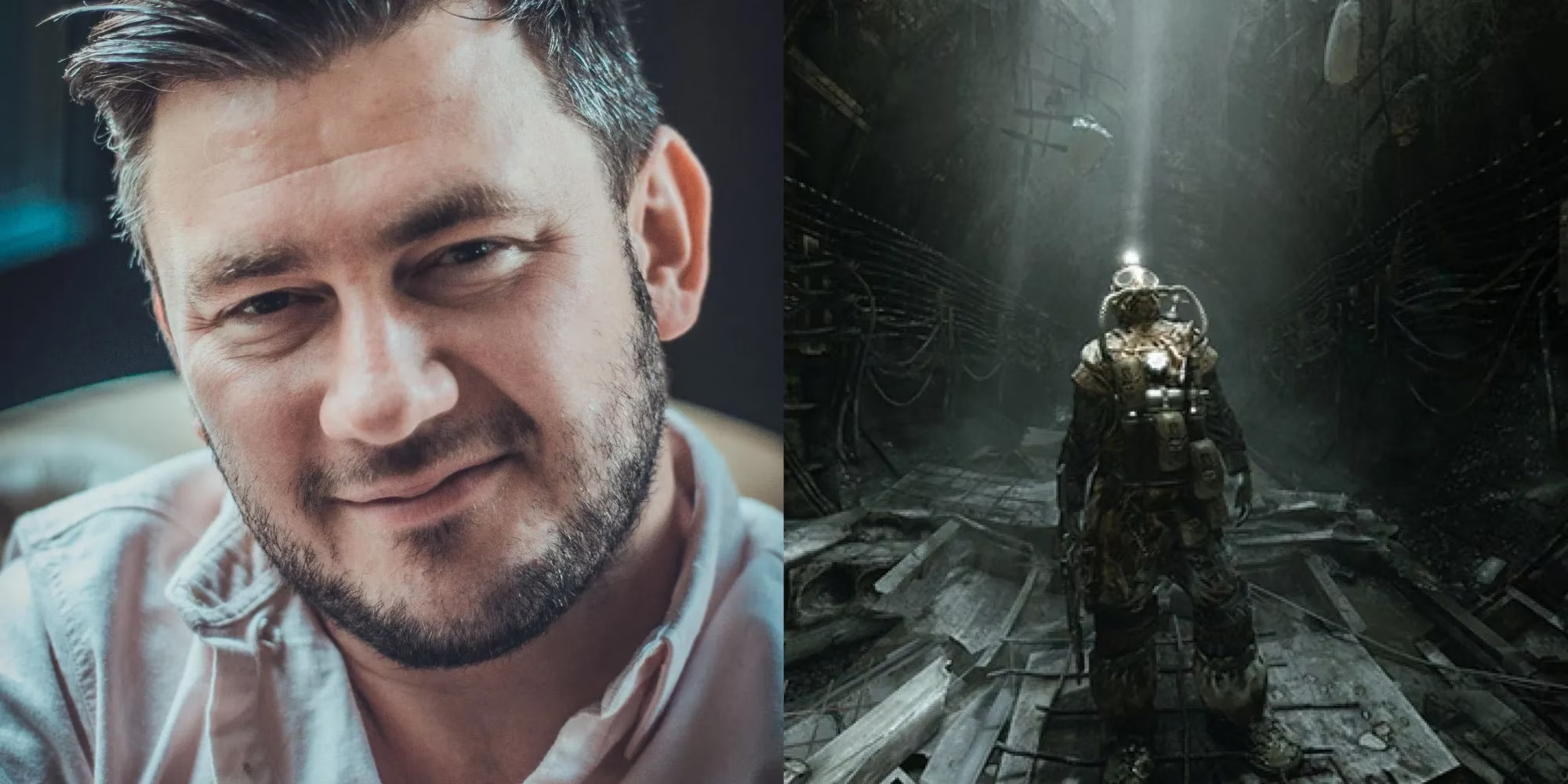
Dmitry Glukhovsky's Metro series is a masterclass in atmospheric storytelling—a symphony of desperation played on rusted pipes and ragged breath. What began as a novel written when he was just 18 evolved into a gaming phenomenon through 4A Games' adaptations. Glukhovsky didn't just license his work; he actively helped shape the games, especially Metro: Last Light, where he penned an original narrative diverging from his books. The result? An experience where every gasp for air in the toxic tunnels and every encounter with mutated creatures feels like a page torn from a survivor's diary, smudged with grime and fear.
✨ Neil Gaiman's Single Foray: Wayward Manor's Haunting Potential
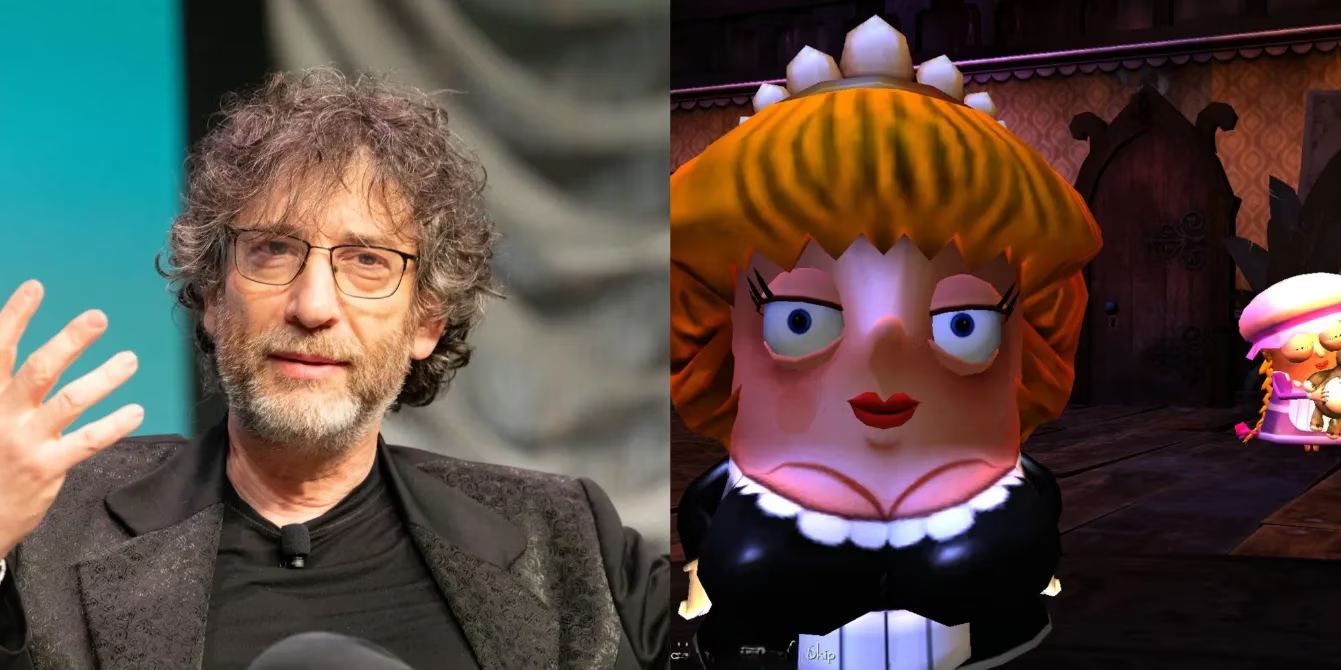
Neil Gaiman—the literary wizard behind Coraline and American Gods—ventured into gaming only once with Wayward Manor (2014). He wrote and narrated it, but the game itself was like a beautifully illustrated book with missing pages. Critics praised his storytelling but found the gameplay lacking. It's a reminder that great writing alone can't carry a game; the interactive elements must be equally compelling. Still, imagining what Gaiman could do with today's narrative-driven games feels like dreaming of a clockwork universe where every gear is a story.
🔪 Clive Barker: Horror's Prolific Game Designer
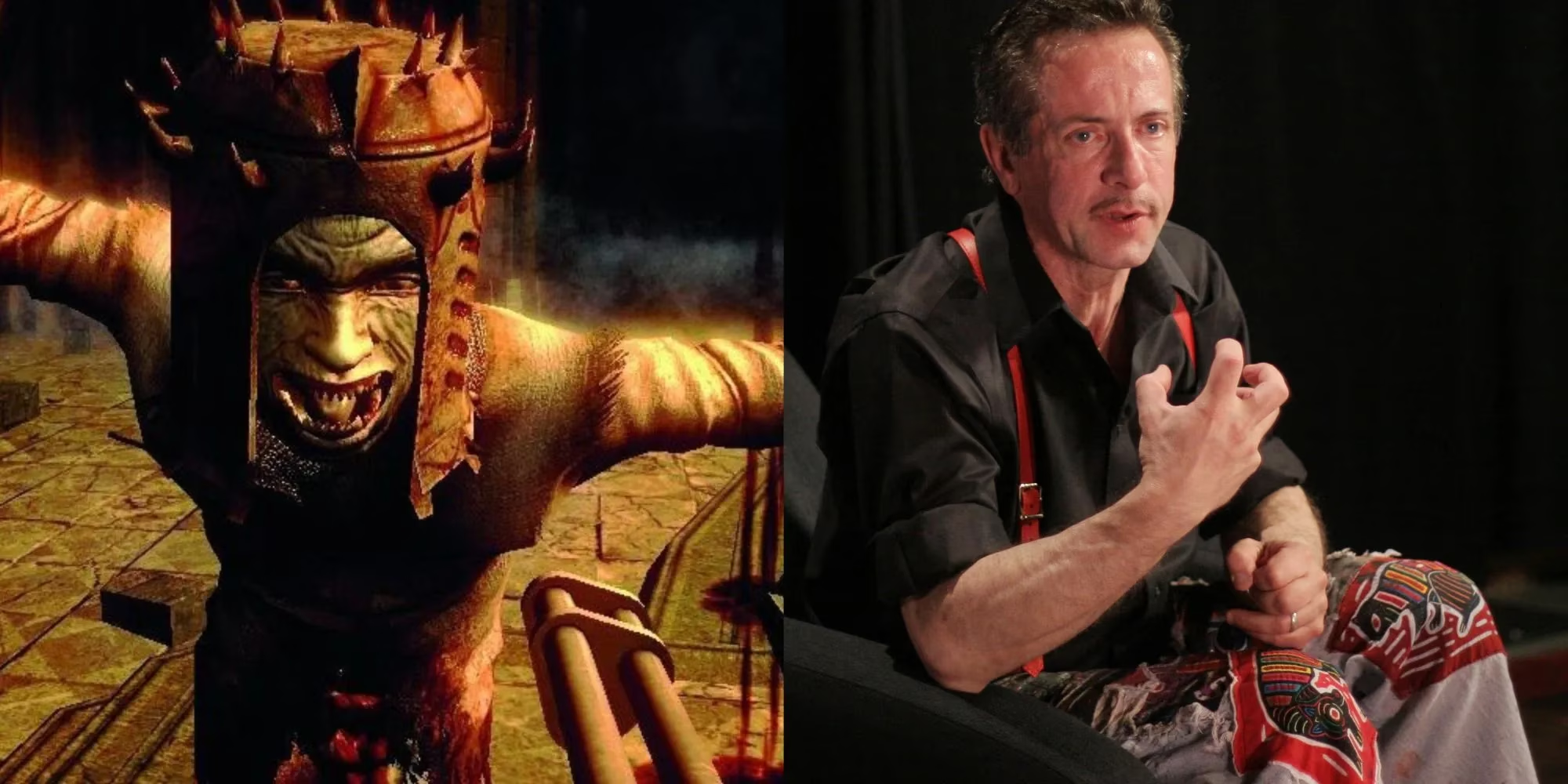
Clive Barker didn't just dip his toes into gaming—he dove headfirst into the abyss. From adaptations of Cabal to 2006's Jericho, Barker treated games as a new canvas for his grotesque artistry, not mere commercial tie-ins. His games spanned genres (FPS, adventure), but all shared his signature blend of visceral horror and psychological dread. For Barker, games were another realm to explore themes of pain, desire, and the supernatural—a nightmare theatre where players hold the ticket.
🧪 Marc Laidlaw: From Novels to Half-Life's Revolutionary Narrative
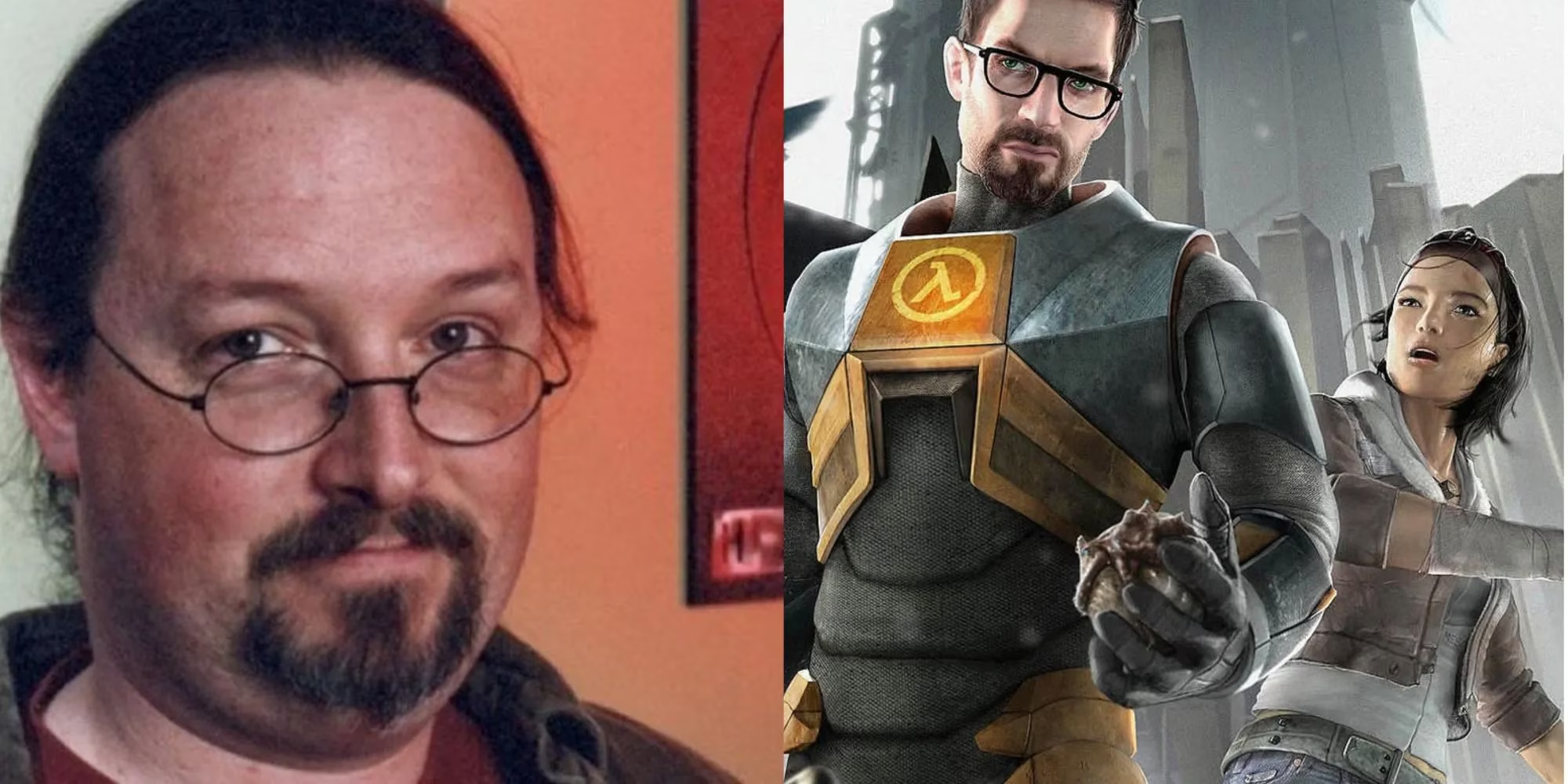
Marc Laidlaw is a fascinating case—a novelist who understood that game storytelling isn't about writing a book with buttons. When he joined Valve for Half-Life, he knew the narrative had to be embedded in the environment, like fossils in bedrock. His background gave him tools (character depth, thematic richness), but he adapted them to gaming's unique language. The result? A game where story unfolds through environmental cues, scientist dialogues, and silent protagonist agency—a narrative iceberg, with most of its weight beneath the surface.
🐉 Terry Pratchett: Gaming Fan and Discworld Creator
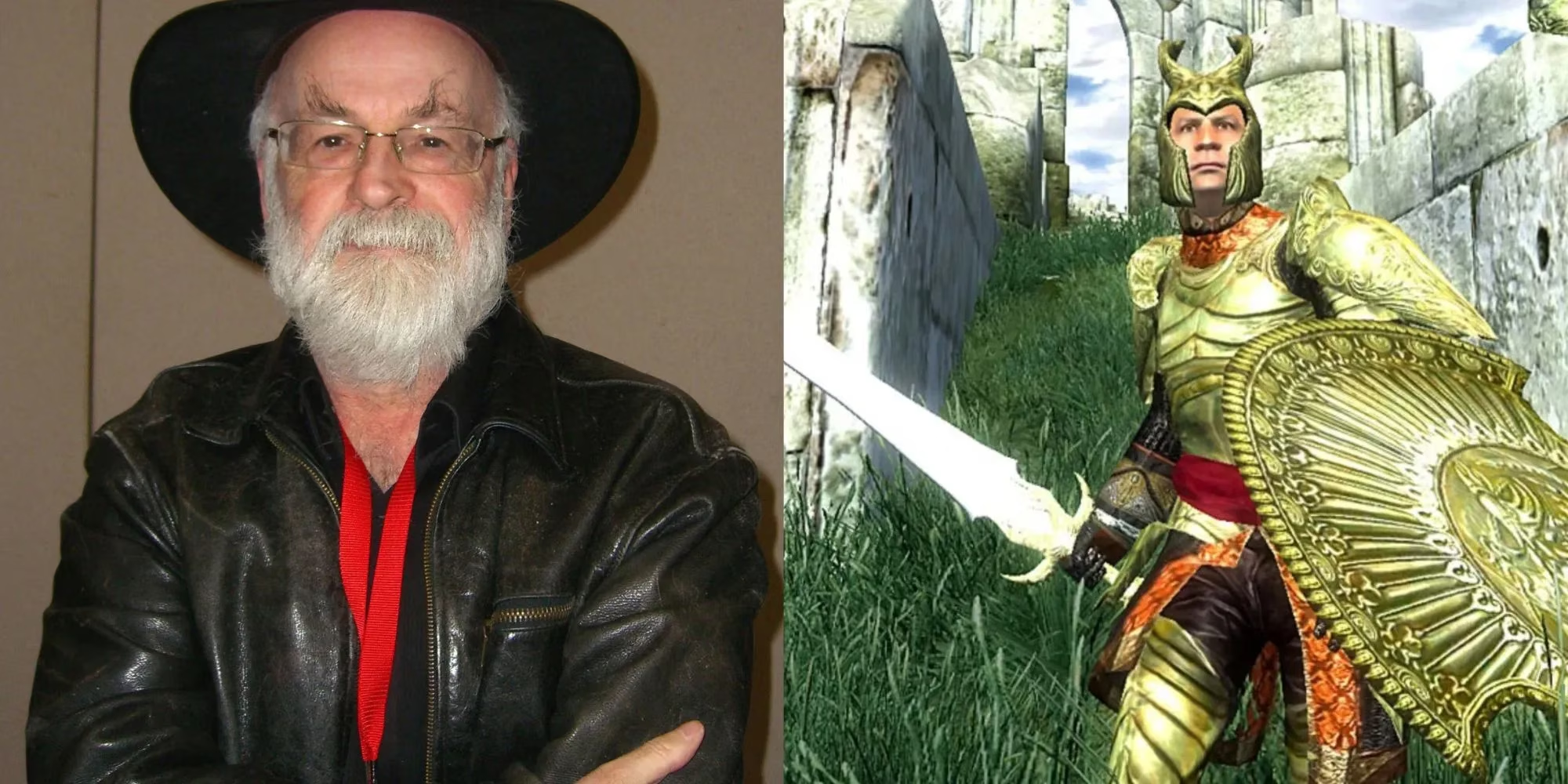
Terry Pratchett wasn't just an author who dabbled in games; he was a genuine fan. His love for The Elder Scrolls IV: Oblivion was legendary—he even helped create mods! Beyond that, he crafted scenarios for the '90s Discworld games. Pratchett approached gaming with the same wit and wisdom that made his novels sparkle, seeing them as interactive playgrounds for satire and adventure. His daughter, Rhianna Pratchett, continues his legacy in gaming, most notably with the Tomb Raider reboot series.
🎭 Kazutaka Kodaka: The Game Writer Who Became a Literary Author
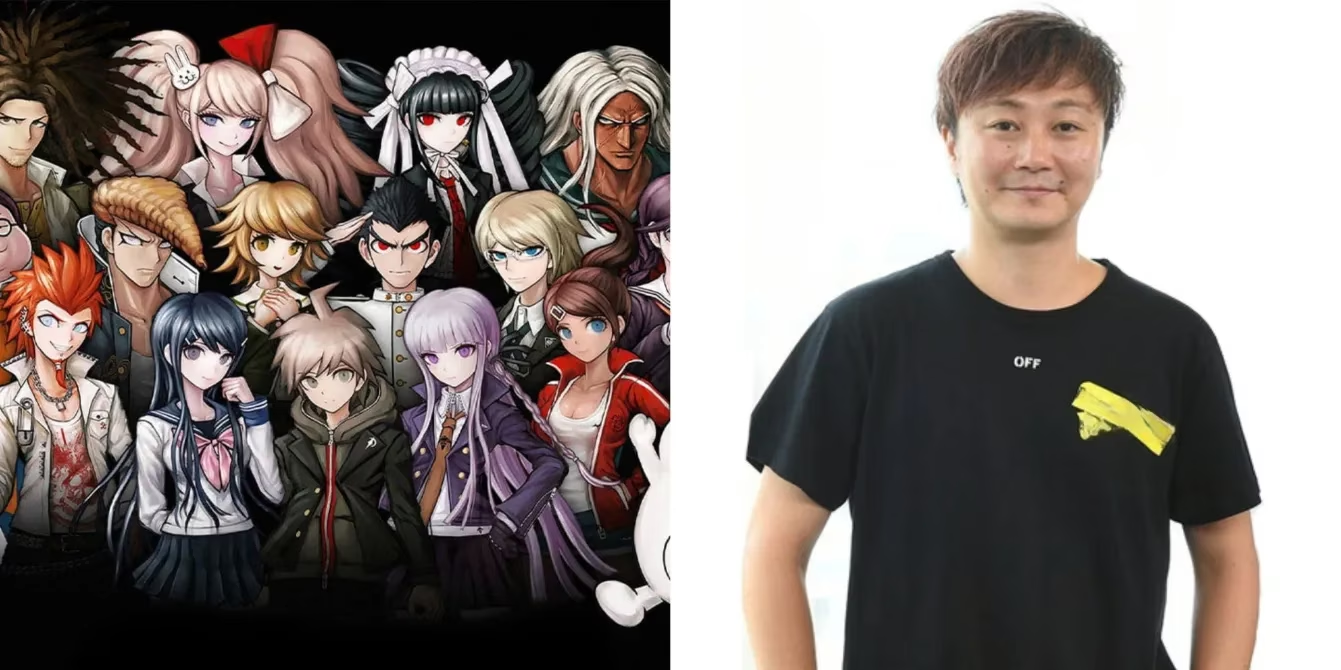
Kazutaka Kodaka flipped the script—he started in games and branched into traditional writing. As the creator of Danganronpa, he blended murder mystery, social simulation, and absurdist humor into something uniquely compelling. After the series' success, he expanded into manga and novels, adapting his own game stories. His journey shows how game writing can be a launchpad for broader literary careers, proving interactive narratives deserve as much respect as any novel.
👹 Mike Mignola: Bringing Hellboy's Comic Book Soul to Games
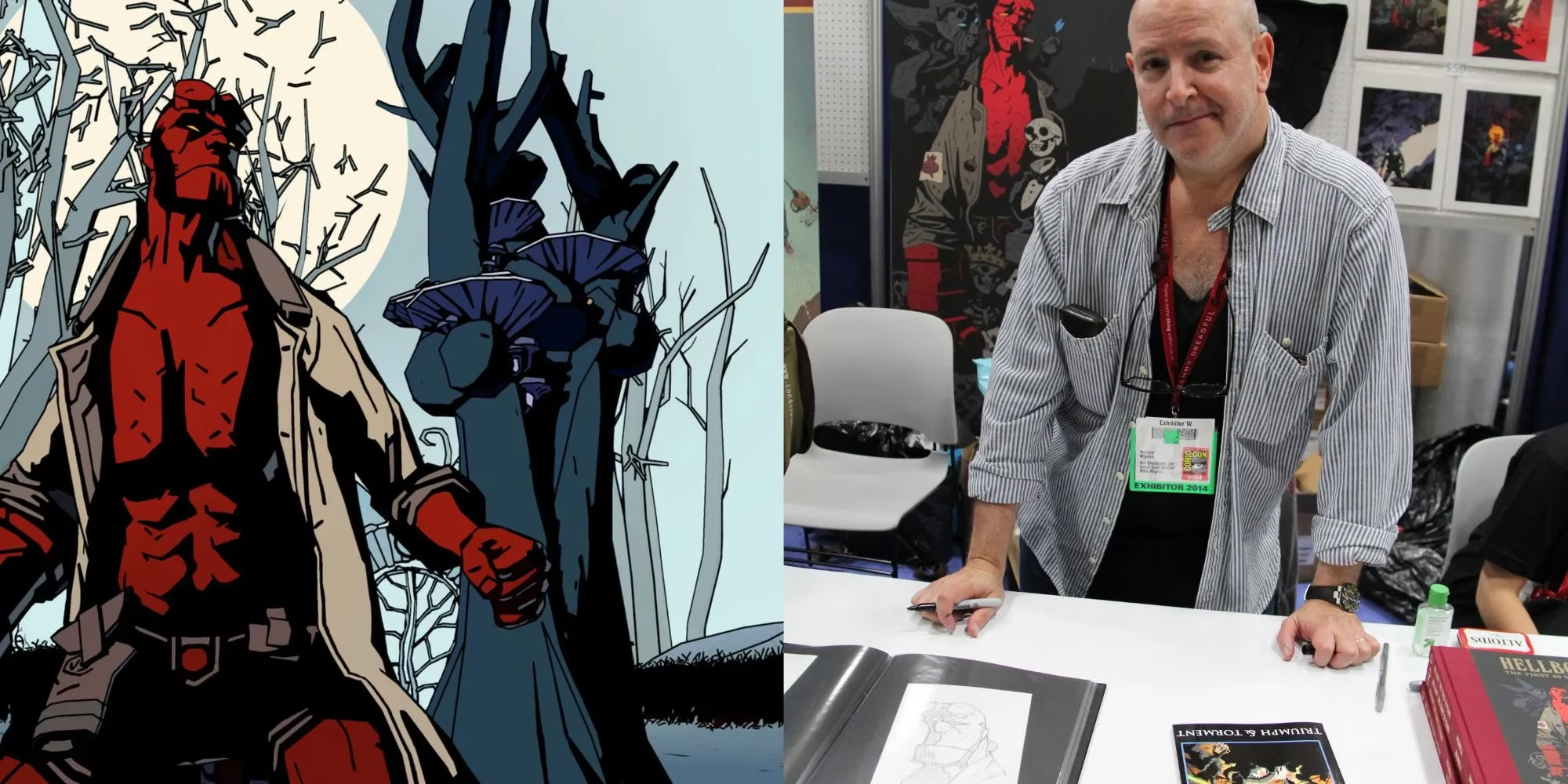
Mike Mignola, the visionary behind Hellboy, has cautiously ventured into gaming, supervising titles like Hellboy: The Science of Evil and the upcoming Hellboy: Web of Wyrd. For Mignola, games are another dimension for his mythos—a living comic panel where players control the action. His involvement ensures these games aren't shallow adaptations but extensions of his gothic-pulp universe, filled with folklore, horror, and heroism.
Why These Crossovers Matter:
-
Fresh Perspectives: Authors bring narrative techniques from other media.
-
World-Building Depth: Complex lore and history enrich game worlds.
-
Character Complexity: Nuanced protagonists and antagonists emerge.
-
Thematic Richness: Games tackle deeper themes beyond mere escapism.
Lessons for 2026 and Beyond:
As we look ahead, the fusion of literary talent and game design will only deepen. Emerging technologies (AI-driven narratives, immersive VR) offer new canvases for storytellers. The key lesson from these authors? Respect the medium. A great game story isn't a book forced into a controller—it's an ecosystem where gameplay and narrative breathe together. Whether you're a writer, designer, or player, there's magic in these collaborations—like watching a sculptor teach a river to carve stone.