
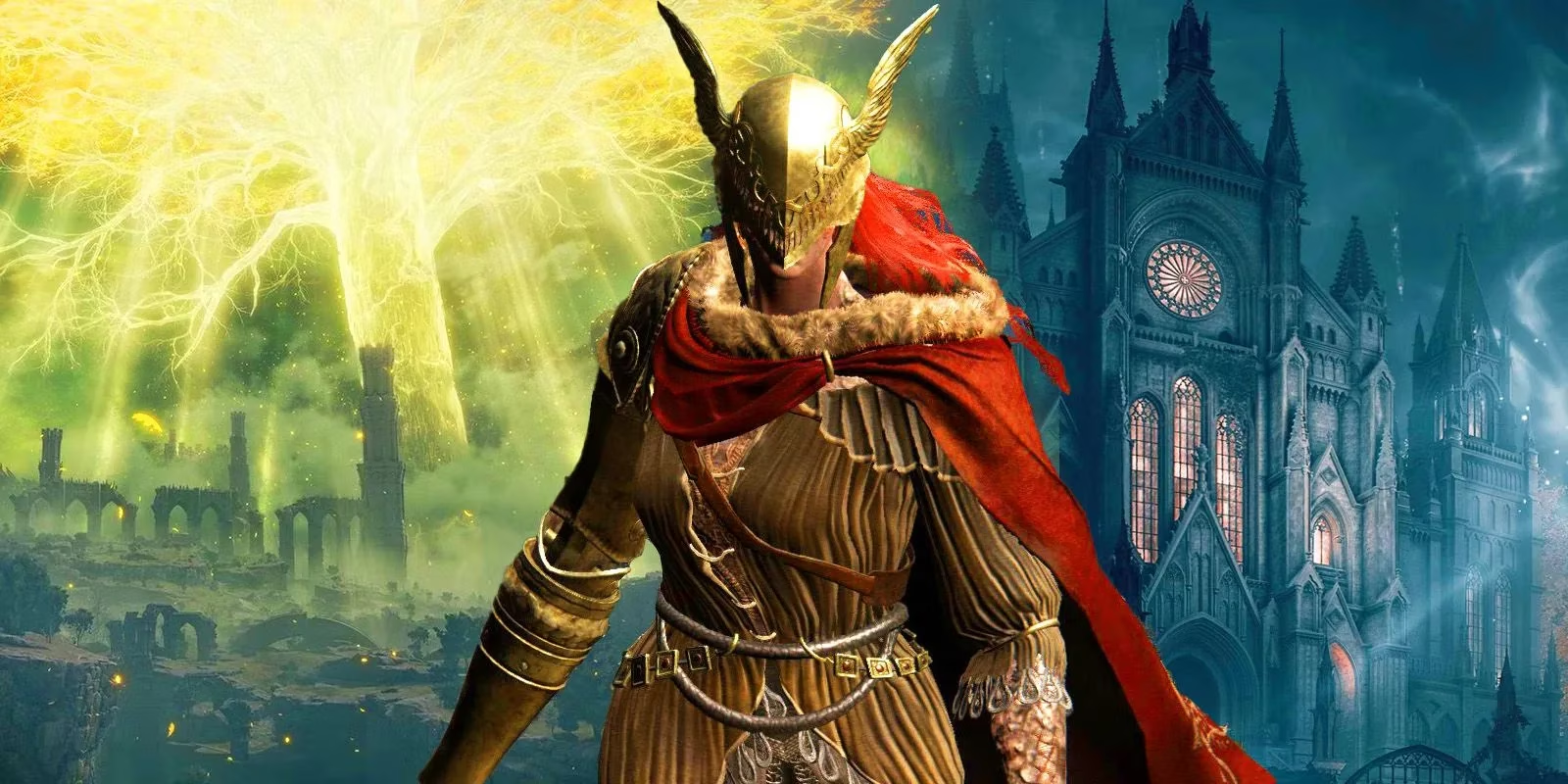
In the sprawling, perilous world of Elden Ring, size is not just a visual spectacle; it is the foundational language of its design. As players journey through the Lands Between as a lowly Tarnished, they are constantly surrounded by structures and vistas of impossible, intimidating grandeur. The golden Erdtree dominates the horizon from nearly every vantage point, a colossal beacon that guides and judges. Stormveil Castle's walls scrape the sky, and the Academy of Raya Lucaria looms over the misty lakes of Liurnia like a mountain of sorcery. This consistent, overwhelming scale is FromSoftware's masterstroke, a tool that simultaneously directs exploration, cultivates a profound sense of awe, and reinforces the narrative's central theme of an insignificant individual undertaking a world-altering quest. While the sheer size of everything becomes a normalized backdrop to the struggle for survival, its psychological and gameplay impact never truly fades.
One of the most defining moments for any Tarnished is the first, seemingly endless elevator descent into Siofra River. The ride takes over a minute, a deliberate and audacious choice that recalibrates the player's understanding of the game's world. Arriving in a cavern of unimaginable breadth, beneath a false sky of eternal stars, is a revelation. It signals that the Lands Between is not just wide, but impossibly deep, hiding entire ecosystems and histories in its bowels. This moment of perspective shift is key. Elden Ring smartly uses these colossal set-pieces—the first view of Leyndell, the climb to the Forge of the Giants—to punctuate the journey with feelings of discovery and insignificance.
However, the genius lies in how this scale becomes mundane. When everything is monumental, nothing feels uniquely so after a while. The visual impact of Liurnia's vista diminishes because Stormveil already performed a similar trick in Limgrave. This normalization is not a failure but a deliberate narrative device. The game wants you to stop consciously marveling at the size and simply exist within it. You don't need to constantly stare up at the Academy and whisper "wow"; its imposing presence does the work subconsciously, making you feel small and your quest Herculean. The world design fulfills its purpose by making the Tarnished feel both incredibly important—chosen by Grace—and utterly inconsequential against the backdrop of warring demigods and Outer Gods.
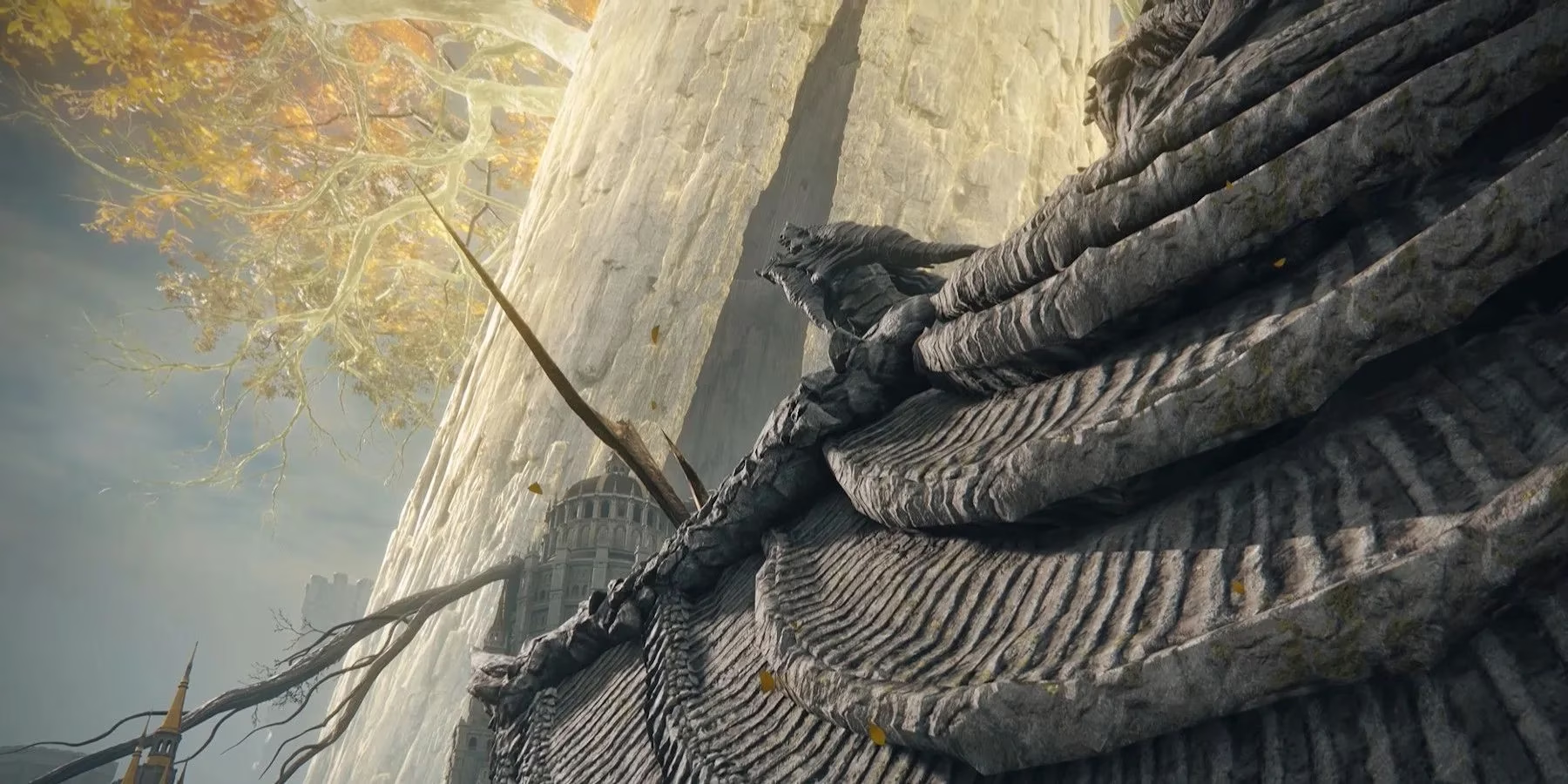
The game's visual storytelling through scale is incredibly nuanced. Consider the Church of Vows, positioned on the direct line between the Erdtree and the Academy. Its location is a silent testament to the shattered bond between Radagon and Rennala, the Golden Order and the Carian royals. From the church, the Academy feels close, yet the Erdtree remains dominant in the distance—a powerful piece of environmental symbolism. Later, wading through the foggy waters of Liurnia, the Erdtree might be obscured by a cliff, leaving only the Academy visible, utterly dominating the immediate space. Hours later, from the Academy's highest spires, the ground is lost to magical mist, but the Erdtree is still there, a constant, distant overseer. This dynamic play with what is visible, what is dominant, and what is hidden creates a living, breathing sense of place.
This manipulation of scale extends far beyond the major landmarks and into the very structure of exploration. A common critique is the reuse of boss enemies, but the mini-dungeons themselves—the caves, catacombs, and tunnels—often hide astonishing depth. What begins as a simple template in Limgrave evolves. By Liurnia, caves are studded with giant, glowing crystals. More importantly, these delves become increasingly complex and vertical. It's easy to be so focused on scavenging for loot or surviving the next ambush that you fail to appreciate the sheer, sinking depth of a place like the Raya Lucaria Crystal Tunnel. The long climb down to its boss arena recreates the latent grandeur of the Siofra River elevator on a smaller, more intimate scale.
This verticality is a cornerstone of the experience, and it's remarkably easy to miss just how much of your journey involves traversing hundreds of feet up or down. Dungeons like the Ruin-Strewn Precipice or the Dragon's Pit from the acclaimed Shadow of the Erdtree expansion aren't just dead ends; they are secret highways, connecting disparate regions of the map in surprising ways. You can become so distracted by combat, NPC quests, or the allure of multiplayer that you don't realize the game has quietly transported you across vast altitudinal shifts, seamlessly weaving the world together.
FromSoftware has a long history of using scale to dwarf the player and build passive drama, from the vertiginous architecture of Lordran in Dark Souls to the suffocating, cosmic horror of Bloodborne. Elden Ring's triumph was translating this ethos to a seamless open world, where the camera isn't as tightly controlled. The effect is pervasive. Even when the Erdtree is out of sight, the commitment to making the Tarnished feel small remains. The chains leading to the Forge of the Giants look like they should snap under their own weight. Mohgwyn Palace hangs in its cavern like a blasphemous moon. Ordinary ants are the size of dogs. This consistent language of exaggerated scale sets Elden Ring apart from many fantasy RPGs that cling to a semblance of earthly believability.

Ultimately, Elden Ring is a world obsessed with being incredibly cool, and its primary method is making everything unbelievably massive. It is a game that wants you to feel the weight of history, myth, and your own ambition in every towering archway and bottomless chasm. The scale is so effectively woven into the fabric of exploration and atmosphere that it often fades into the background, becoming the unspoken rule of the land. Yet, this very normalization is its success. The Tarnished doesn't live in a world of occasional wonders; they live in a world that is, in its entirety, a wonder of impossible proportions. This design philosophy ensures that even years after its release, as players continue to explore the Lands Between and the haunting realms of the Shadow of the Erdtree, the sense of awe born from sheer, monumental scale remains a defining, and often overlooked, pillar of its legendary status.
| Aspect of Scale | Example in Elden Ring | Effect on Player |
|---|---|---|
| Landmark Dominance | Erdtree, Stormveil Castle, Raya Lucaria Academy | Provides constant navigational guidance and a sense of grandeur. 🗺️ |
| Vertical Discovery | Siofra River elevator, deep crystal caves | Creates moments of awe and redefines the world's possibilities. ⬇️ |
| Environmental Storytelling | Church of Vows' placement, obscured views in fog | Reinforces narrative themes and character relationships silently. 📖 |
| Normalized Grandeur | Repeated exposure to huge structures | Makes the Tarnished feel perpetually small, amplifying their quest's stakes. ⚖️ |
| Interconnected Depth | Dungeons that link regions (e.g., Ruin-Strewn Precipice) | Creates a seamlessly massive and surprising world. 🔗 |